The road vehicle side of HiRail service.
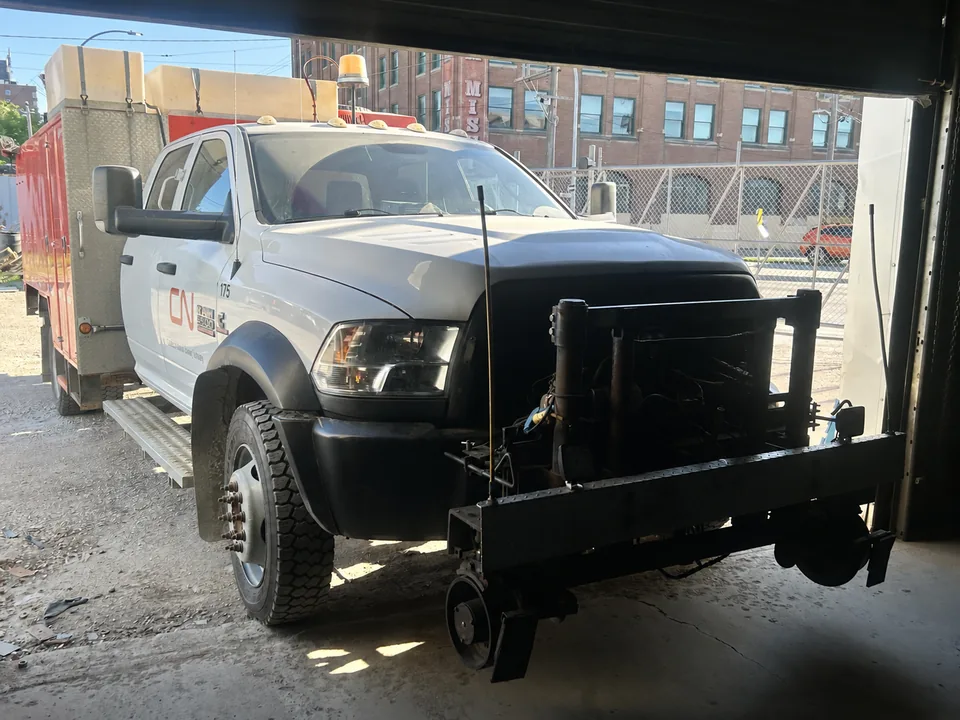
Standard HiRail focuses on the truck underneath the railgear. We assess the springs, suspension, steering, brakes and related vehicle systems, then confirm what fits the unit and the job.
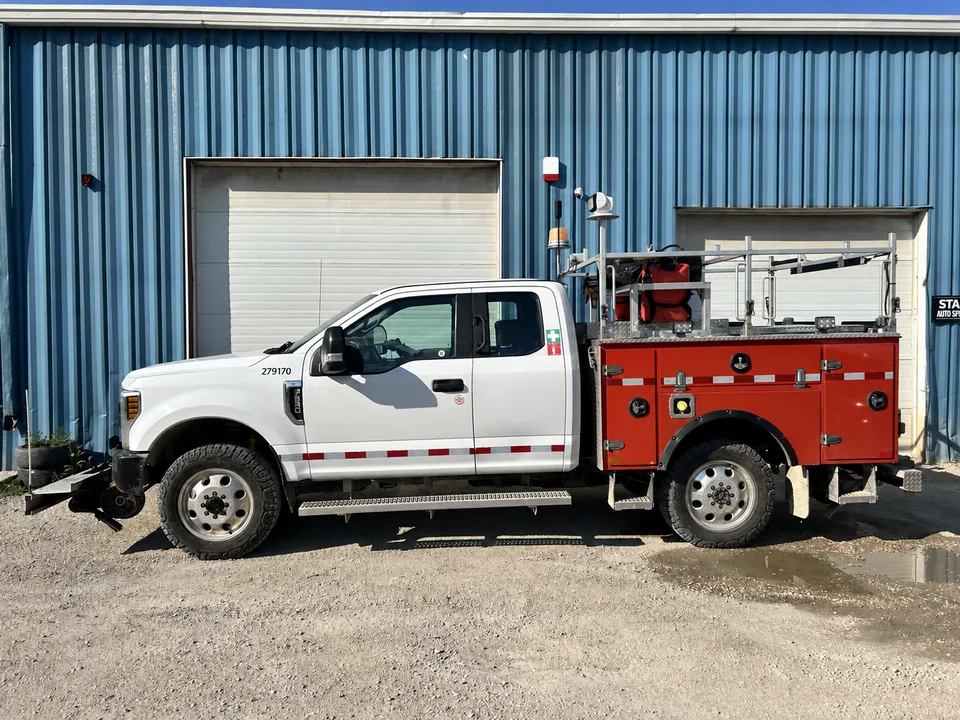
Vehicle size, account type and service limits apply.
Check vehicle acceptanceStart with what changed.
- The unit leans, sits low or carries weight unevenly
- Steering, braking or road handling has changed
- A spring, bushing, shackle or hanger looks worn
- A driver reports vibration, noise or looseness
- Road tires show an unusual wear pattern
What we can review.
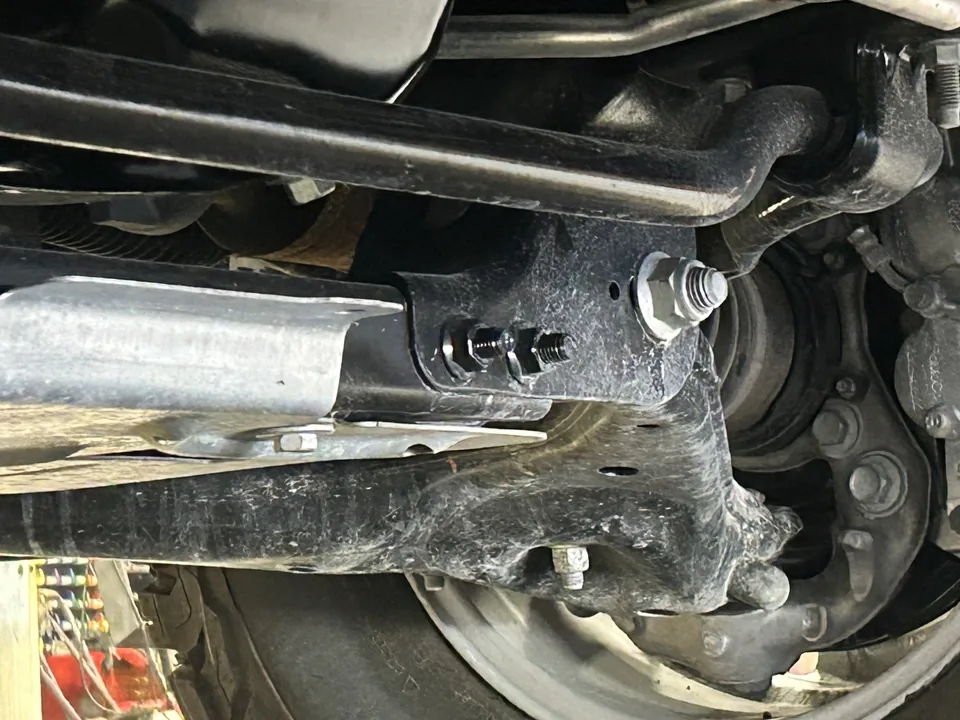
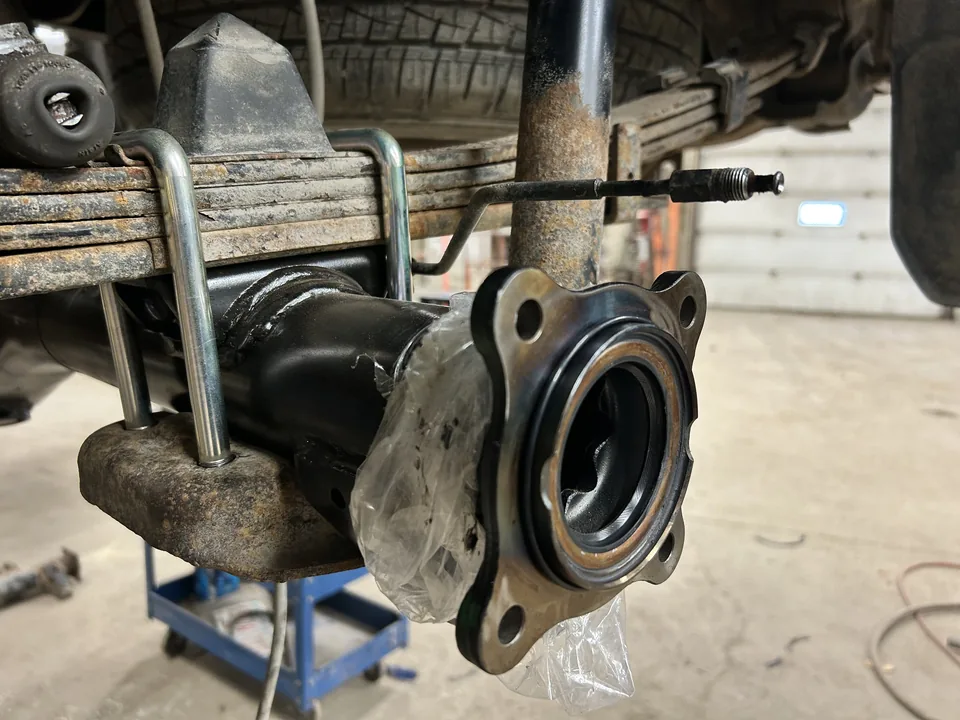
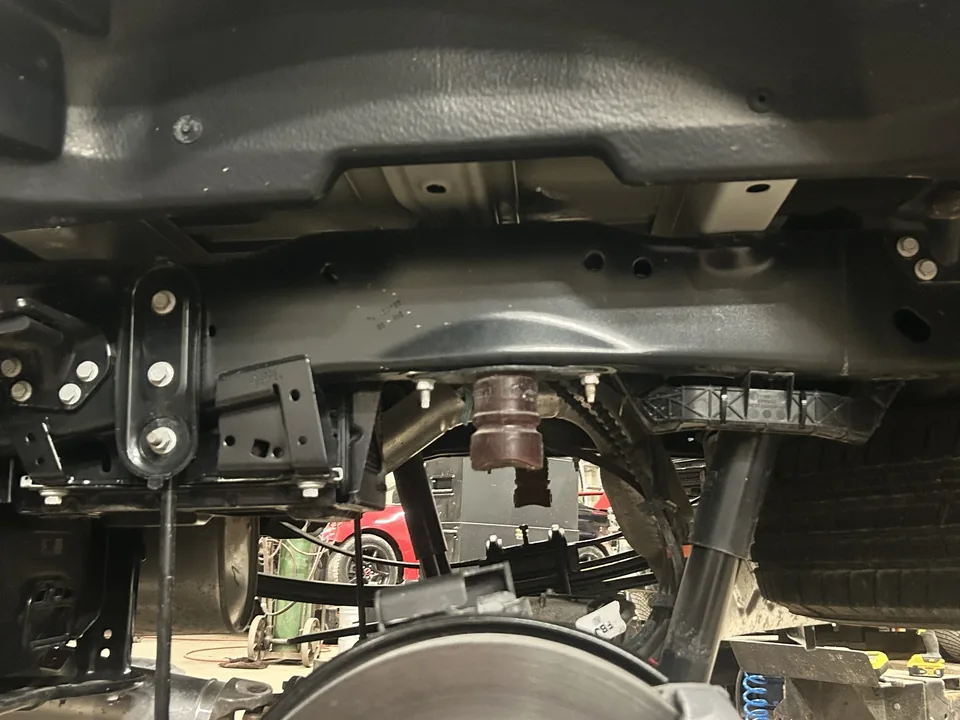
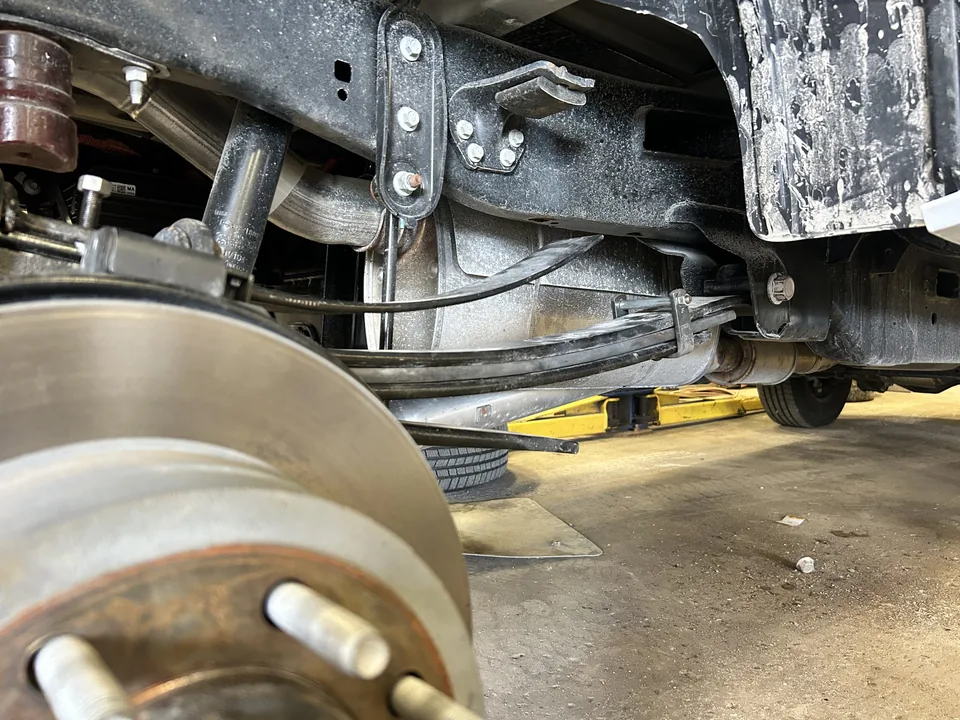
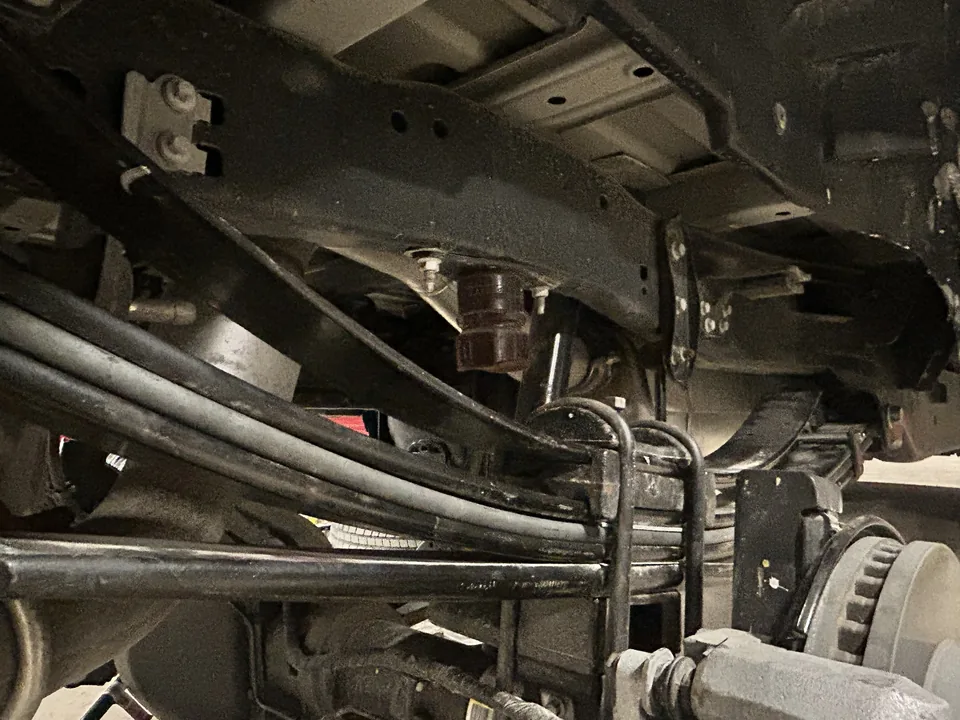
- Leaf springs, spring packs and mounting hardware
- Suspension and steering components
- Vehicle brakes and road wheel concerns
- Mechanical symptoms within current shop capacity
- Clearance around stowed railgear before work begins
From the reported concern to an approved scope.
Vehicle configuration, access and the requested work are reviewed before the next stage is confirmed.
- 01
Start with the unit details and reported concern
- 02
Confirm vehicle size, railgear position and safe shop access
- 03
Inspect the agreed vehicle systems
- 04
Explain findings and obtain approval before added work
The details behind the work.
Questions about this service.
Direct answers help confirm whether the unit and requested work belong at Standard HiRail.
What does vehicle side HiRail repair mean?
It means work on the truck itself, including springs, suspension, steering, brakes, road wheels, vehicle air conditioning and selected mechanical systems. Railgear inspection and calibration are separate specialist services.
Can you work around installed railgear?
Often, yes. We first confirm the unit configuration, stowed railgear clearance, vehicle size and safe lift or bay access. Final acceptance depends on the specific unit.
Talk through the chassis and suspension concern.
Have the unit number, year, make, model and a short description ready. We will confirm whether the vehicle and requested work fit our current service scope.